
17 December 2025
There are about 324 known shipwrecks in Victoria, with many threatened by environmental change and human interference. In 2016, Heritage Victoria commenced the maritime heritage at risk program, intending to protect the most important Victorian shipwrecks at the highest risk.
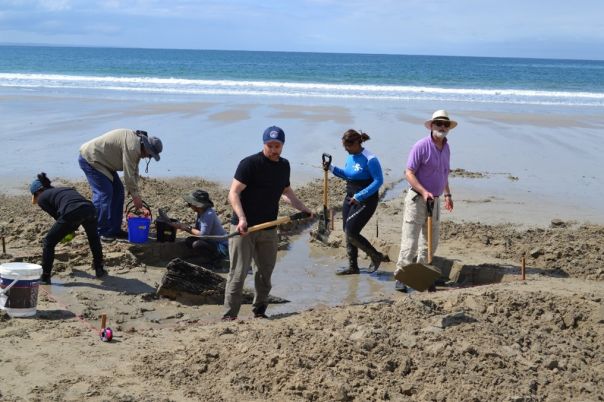
- Amazon wreck fieldwork
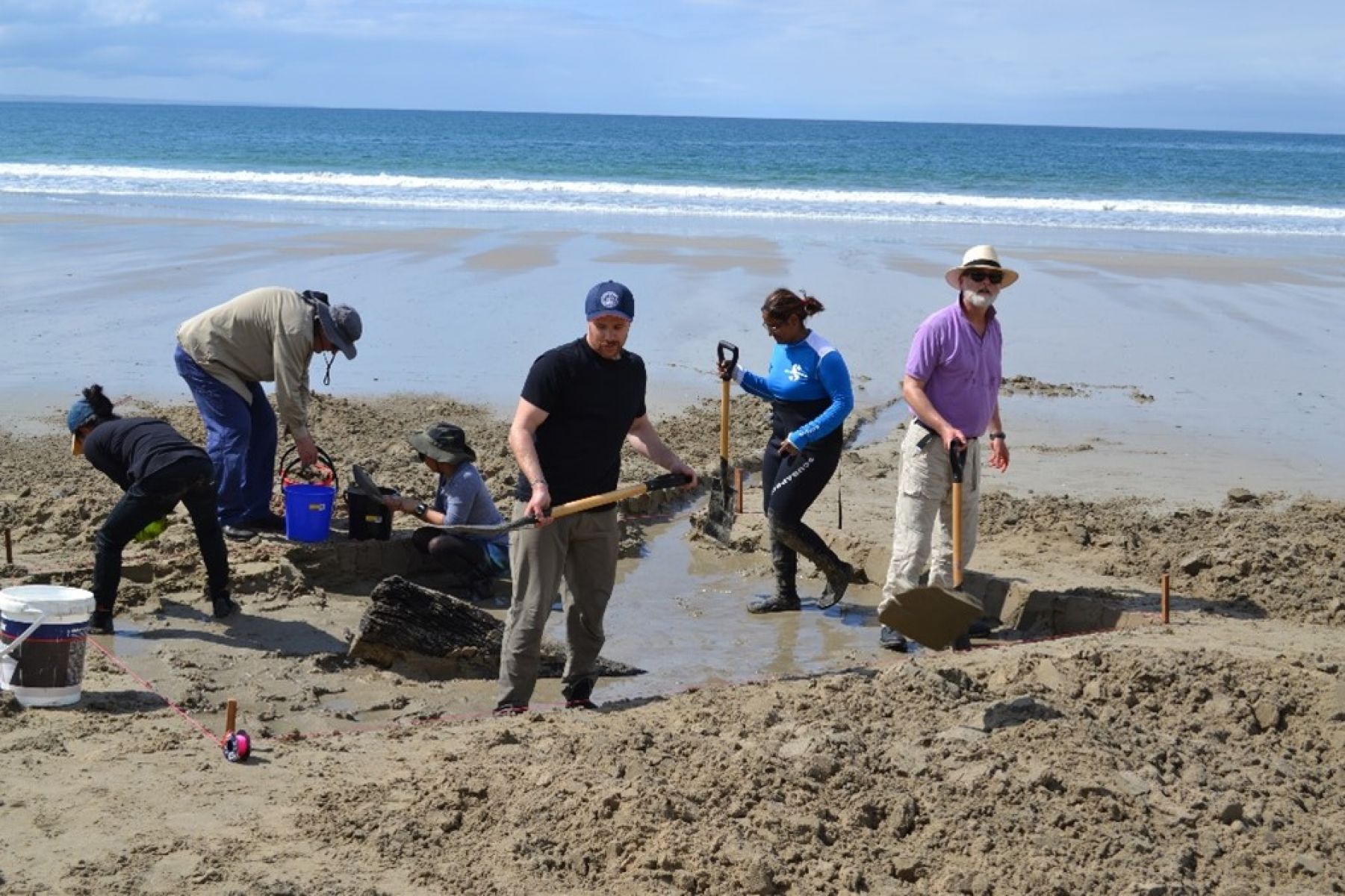
Amazon wreck fieldwork
The program employs a quantifiable methodology that incorporates significance, community value, and risk criteria to assess, prioritise, and identify the level of risk to shipwrecks.
Those at the highest risk are included in a shipwreck risk register and are actively managed to minimise further deterioration.
This includes:
- monitoring
- site inspections
- conservation activities
- community involvement to observe and report human activity.
Data is collected on the current condition and potential future risks. As of June 2025, there were 25 shipwrecks on the register.
The program is now in its tenth year, with the key outcomes shown in the table below.
Program outcomes
| Activity | Description |
|---|---|
| Wreck assessment | Assessment of newly discovered shipwrecks. |
| Site inspections | Site inspections with emphasis on wreck condition. |
| Conservation | Supporting grants and installations of zinc anodes. |
| Reporting | Public reporting through annual reports and website news items on the maritime heritage at risk program. |
| Monitoring | Monitoring of shipwrecks, dive vessels, dive and artefacts websites. |
| Compliance | Protected zone compliance and education activities. |
| Field trips | Site management field trips with Flinders University and Parks Victoria. |
| Media | Including newspaper articles and community engagement activities. |
| Funding | Funding is also provided by the Commonwealth Department of Climate Change, Energy, the Environment and Water (DCCEEW). |
| Data | Data collection and assessment, including the comparison of the condition of wreck sites over time. |
An example of the monitoring activities is the community shipwreck monitoring program, which commenced in November 2018. The program consists of Queenscliff, Werribee, Port Albert and Port Welshpool volunteer coast guards and Inverloch and Port Fairy Surf life saving clubs.
Participants monitor any damaging activities including anchoring, fishing and diving at 18 wreck sites including six protection zones and two port facilities. Conducting regular patrols at shipwreck sites enables coastal communities to be directly involved in the protection of their local underwater cultural heritage.
Over 600 reports have been provided by participants with most reports for vessels fishing in the S.S City of Launceston and Clarence protection zones. In addition, Port Albert and Port Welshpool Volunteer Coast Guards monitor vessels that may be involved in diving activities operating from their port facilities. This is in response to the increased level of recreational deep diving culminating in the looting of previously undisturbed deep-water shipwrecks.
The key learnings of the program to date include the need to update the risk register more regularly to remove wrecks that currently appear stable. Also, focus has been restricted to a small number of wrecks due to high impacts, public pressure and logistical difficulties.
The key future direction of the program is to include aircraft wrecks.
Page last updated: 17/12/25